
15 Profitable Welding Projects You Can Make at Home
Last Updated: April 20, 2026 by Louis Sham
Welding is not just a skill; it’s an opportunity to create a profitable side hustle or even a full-time business. By focusing on welding projects to make money from home, you can tap into a market that values custom, handmade items. Whether you’re crafting unique furniture pieces, stunning metal art, or practical home accessories, the potential for profit is significant.
Home-based welding projects are particularly appealing because they allow you to work within your own space and at your own pace. The key to success lies in choosing the right projects that have a high demand and can be sold for a good profit. From custom coffee tables to intricate garden decorations, your creativity can turn raw metal into valuable products.
Key takeaway: Welding can be a lucrative venture if you choose the right projects to work on. With the right tools, techniques, and marketing strategies, you can transform your welding skills into a profitable home-based business.
Essential Welding Tools and Equipment for Home Projects

Understanding the tools needed for welding projects is crucial for both beginners and seasoned welders. Starting with the basics ensures you have the necessary equipment to complete your projects safely and efficiently.
Essential Tools for Beginners
Before diving into specific welding machines, gather the essential tools required for any welding project:
- Safety Equipment:
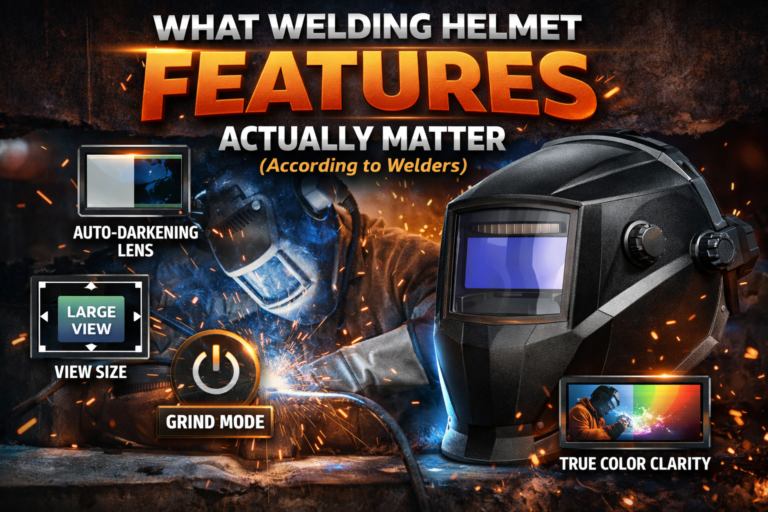
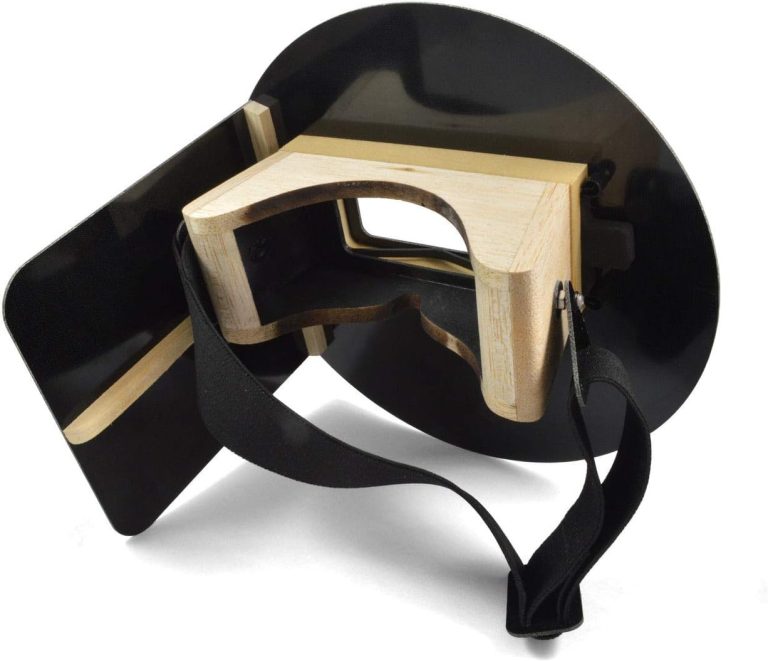
- Welding Helmet: Protects your eyes and face from harmful UV rays, sparks, and debris.
- Gloves: Heat-resistant gloves safeguard your hands from burns and electrical shocks.
- Protective Clothing: Flame-resistant jackets, aprons, and pants prevent injuries from sparks and hot metal.
- Safety Glasses: Worn under the helmet to protect your eyes when grinding or cutting metal.
- Basic Tools:
- Clamps: Secure materials in place while you weld.
- Wire Brush: Clean welds to ensure strong joints.
- Angle Grinder: Used for cutting, grinding, and polishing metal surfaces.
- Measuring Tools: Tape measure, square, and calipers for precise measurements.
Types of Welding Machines
Selecting the right welding machine depends on the type of projects you’ll undertake. Here are three common types of welders used in home projects:
- MIG Welders (Metal Inert Gas):
- Ease of Use: Ideal for beginners due to its straightforward setup and operation.
- Versatility: Suitable for various metals, including steel, aluminum, and stainless steel.
- Speed: Faster welding process compared to other methods, making it efficient for larger projects.
- TIG Welders (Tungsten Inert Gas):
- Precision: Offers excellent control over the welding arc, producing high-quality welds.
- Material Range: Works well with thin materials like stainless steel and non-ferrous metals.
- Skill Level: Requires more skill and practice but is perfect for intricate work such as custom furniture or metal art.
- Stick Welders (Shielded Metal Arc Welding):
- Affordability: Often less expensive than MIG or TIG welders.
- Portability: Compact design makes it easy to transport and use in various locations.
- Versatility: Effective on dirty or rusty materials, making it suitable for repair work or outdoor projects.
Having a solid understanding of these essential tools and equipment ensures you are prepared to tackle any home-based welding project. Investing in quality gear not only enhances your work but also keeps you safe while bringing your creative ideas to life.
15 Profitable Welding Projects You Can Make at Home
1. Custom Furniture Pieces with a Unique Touch
Creating custom furniture pieces can be a highly rewarding and profitable welding project. Many consumers seek unique, handcrafted items that stand out from mass-produced alternatives. Here are some popular items you can consider:
- Coffee Tables: These are always in demand and offer an excellent opportunity to showcase your creativity. Using metal tubing for the legs and supports, you can create intricate designs that add flair to any living room. Combining metal with other materials like reclaimed wood or glass can also enhance the aesthetic appeal.
- Dining Sets: A custom dining set can be a centerpiece of any home. Consider using angle iron to construct sturdy yet stylish frames for tables and chairs. Adding personal touches such as custom engravings or unique finishes can make your creations even more appealing.
- Shelving Units: Metal shelving units are not only functional but also add a modern industrial touch to any space. Use square or rectangular tubing to build the frame, ensuring it’s both robust and visually appealing.
Tips for Using Metal Tubing and Angle Iron Creatively
- Experiment with Shapes: Don’t limit yourself to straight lines and right angles. Curved tubing and angled joints can add a dynamic element to your designs.
- Mix Materials: Incorporate different materials like wood, glass, or even concrete slabs with your metal frames. This combination not only enhances the visual appeal but also broadens your market.
- Focus on Finish: The finish of your welded furniture pieces can significantly impact their marketability. Polished steel, rustic patinas, or powder-coated finishes offer various looks that cater to different tastes.
- Functional Design: While aesthetics are important, functionality cannot be overlooked. Ensure that your designs are practical and meet the needs of potential buyers.
The versatility of metal makes it an ideal material for custom furniture projects. Consumers appreciate well-crafted, unique items that reflect their personal style, making this a profitable venture for home-based welders.
2. Stunning Metal Art Creations to Enhance Spaces
Creating metal art from scrap or sheet metal can be both rewarding and profitable. Eye-catching decorative pieces, such as wall hangings and garden sculptures, attract buyers looking for unique home and outdoor decor.
Ideas for Metal Art Creations:
- Wall Hangings: Use sheet metal to design intricate patterns or abstract art that can be mounted on walls.
- Garden Sculptures: Craft whimsical figures or elegant designs from scrap metal to add a focal point in gardens.
- Functional Art: Combine aesthetics with functionality by creating items like decorative clocks or artistic lighting fixtures.
Marketing Strategies:
- Platforms Like Etsy: Utilize online marketplaces to reach a wider audience.
- Photography Tips:Ensure good lighting to highlight the details of your work.
- Use neutral backgrounds to make your creations stand out.
- Compelling Descriptions: Write detailed descriptions that tell the story behind each piece, emphasizing its uniqueness and craftsmanship.
By focusing on these strategies, you can effectively market your metal art creations and attract potential buyers interested in profitable welding projects.
3. Functional Outdoor Projects That Stand Out
Creating functional outdoor projects can be both rewarding and profitable. Items like custom BBQ grills and fire pits not only serve a practical purpose but also add a unique flair to any backyard.
Step-by-Step Guide to Building Custom BBQ Grills or Fire Pits:
- Design Your Project: Start by sketching your idea on paper. Consider the dimensions and materials you’ll need.
- Gather Materials: Common items include metal sheets, tubing, grates, and hinges.
- Cut and Shape Metal: Use appropriate tools like plasma cutters or angle grinders.
- Weld Components Together: Assemble the base, sides, and cooking surface using a MIG or Stick welder.
- Add Finishing Touches: Sand down rough edges and apply heat-resistant paint for a polished look.
Safety Features to Incorporate:
- Proper Ventilation: Ensure your BBQ grill has sufficient airflow to maintain a steady flame without creating excessive smoke.
- Sturdy Construction: Use high-quality materials that can withstand high temperatures.
- Heat Shields: Incorporate heat shields to protect surfaces from excessive heat.
By focusing on these aspects, you can create outdoor projects that stand out in both functionality and aesthetics, making them attractive options for potential buyers looking for unique welded furniture or custom pieces for their homes.
4. Practical Home Accessories with a Twist
Creating profitable welding projects at home can be both rewarding and fulfilling, especially when you blend aesthetics with functionality. Everyday items like towel racks and picture frames are perfect examples of home accessories that can benefit from a welded touch.
1. Towel Racks
Welded towel racks not only provide practical storage solutions but also add a unique industrial flair to bathrooms or kitchens. Using materials like stainless steel or wrought iron, you can design towel racks that complement various interior styles, from modern to rustic.
2. Picture Frames
Metal picture frames offer durability and a sleek look that wooden frames often lack. Experimenting with different finishes, such as brushed steel or powder-coated colors, can help you create pieces that stand out in any room. Incorporating minimalist designs or intricate patterns can appeal to a wide range of tastes.
Current trends in home decor frequently highlight the appeal of industrial-style designs. This style often features exposed metal elements, raw finishes, and functional forms that are both eye-catching and utilitarian. By tapping into this trend, you can attract a broader audience looking for unique and stylish decor items.
Leveraging these ideas allows you to create home accessories that are not just profitable but also resonate with current market demands. This approach ensures your creations are both functional and visually appealing, making them desirable additions to any home.
5. Repair Work: A Lucrative Opportunity for Welders at Home
Repair work offers substantial income potential for home-based welders. Here are some common repair services you can offer:
- Structural repairs on fences or gates: Homeowners frequently require maintenance on outdoor structures. Welded repairs ensure durability and longevity, making your services indispensable.
- Trailer repair: Trailers endure significant wear and tear and often need reinforcements or part replacements. Specializing in this area can attract consistent business from individuals and small businesses alike.
- Auto body work: Customizing or repairing vehicle bodies can be a highly profitable niche. Minor fixes, rust removal, and fabricating unique components cater to car enthusiasts who prioritize quality craftsmanship.
Expanding into specialized repair work not only diversifies your service offerings but also taps into markets with ongoing demand. This approach maximizes the profitability of your welding projects, making it a valuable addition to your home-based business.
6. Architectural Elements That Add Value to Homes
Architectural elements such as custom railings and brackets play a crucial role in both the aesthetics and safety of residential properties. These features not only enhance the visual appeal but also provide functional support and security.
Custom Railings
Crafting unique railings for staircases, balconies, or outdoor decks can significantly increase a home’s value. Using materials like wrought iron or stainless steel, you can create elegant designs that cater to various architectural styles.
Decorative Brackets
These are essential for supporting shelves, awnings, or countertops. By designing intricate and sturdy brackets, you add an artistic touch while ensuring structural integrity.
Marketing Your Skills
- Portfolio Development: Showcase your best work through high-quality photographs and detailed descriptions. Highlight projects that demonstrate your ability to blend form and function.
- Networking: Connect with local builders, architects, and interior designers who may require custom welded elements for their projects.
- Online Presence: Utilize platforms like Instagram or Pinterest to display your creations. Engaging captions and behind-the-scenes content can attract potential clients.
- Local Advertising: Participate in home improvement expos or craft fairs to reach homeowners directly.
By focusing on creating exceptional architectural elements, you tap into a market that values both durability and design. Your welding skills can transform everyday spaces into visually striking environments, making these projects highly profitable.
7. Garden Decorations That Delight And Attract Buyers
Creating whimsical garden items can be a profitable venture for home-based welders. Garden sculptures, such as metal flowers or abstract designs, capture attention and add charm to outdoor spaces. Plant stands crafted from welded metal offer both functionality and aesthetic appeal, making them popular among garden enthusiasts.
Consider these ideas:
- Decorative Yard Art: Think about unique pieces like wind spinners, garden stakes, or bird feeders. Using scrap metal can give your creations an eco-friendly twist.
- Garden Furniture: Benches and tables with intricate designs can transform a garden area into a cozy retreat.
To ensure your products stand out, focus on seasonal marketing strategies. During spring and summer, highlight items that complement blooming gardens or enhance outdoor gatherings. In the fall, market pieces that can withstand weather changes or add warmth to the landscape.
For effective selling:
- Photography: Capture high-quality images of your items in a natural garden setting.
- Compelling Descriptions: Write engaging descriptions that emphasize the uniqueness and craftsmanship of each piece.
By tapping into the demand for unique garden decor, you can turn your welding skills into a lucrative side hustle.
8. Unique Items That Cater To Niche Markets
Identifying niche markets is crucial for making your welding projects profitable. Custom products like specialty smokers or unique fire pits often thrive in specific markets where demand is high and competition is lower.
1. Specialty Smokers
Crafting custom smokers can appeal to BBQ enthusiasts who are willing to pay a premium for a unique, high-quality product. Consider integrating features like adjustable racks and temperature gauges to set your creations apart.
2. Unique Fire Pits
Designing fire pits with intricate patterns or themed designs can capture the attention of buyers looking for something truly distinctive. Using metal art techniques to create visually appealing designs can add significant value.
Offering something truly unique ensures that your products stand out in a crowded market. Customization options, such as personalized engravings or bespoke designs, can further attract buyers looking for one-of-a-kind items.
By focusing on these niche markets, you not only tap into specific customer needs but also enhance the profitability of your welding projects.
Selling Your Welded Creations Online and Offline Successfully

Reaching customers effectively is crucial for turning your welding projects into a profitable venture. Both online and offline strategies can be employed to expand your customer base.
Local Craft Fairs
Participating in local craft fairs allows you to showcase your work directly to potential buyers. To make the most of these events:
- Attractive Booth Display: Ensure your booth is visually appealing. Use well-lit displays and arrange your items neatly.
- Interactive Demonstrations: Showcasing a live welding demonstration can draw attention and engage visitors.
- Business Cards & Brochures: Hand out professional-looking business cards and brochures that detail your services.
- Networking: Building relationships with other vendors can open doors to collaborative opportunities.
Online Platforms
Selling welded items online opens up a global market. Key platforms include:
- Etsy: Ideal for handmade and custom items. Ensure high-quality photos and detailed descriptions.
- eBay: Useful for a variety of items, including both unique creations and practical welded products.
- Amazon Handmade: Another excellent platform for artisans looking to reach a broad audience.
Social Media Marketing
Utilize social media to promote your work:
- Instagram & Pinterest: Visual platforms perfect for showcasing the beauty of your welded creations.
- Facebook Marketplace: Allows you to sell directly within your local community.
- YouTube: Create tutorials or behind-the-scenes content to attract followers interested in welding.
Creating an Online Store
Having your own website gives you full control over branding and sales:
- Shopify or WooCommerce: These platforms make it easy to set up an online store with customizable features.
- SEO Optimization: Use keywords like “selling welded items online” in product descriptions to improve search engine visibility.
Customer Reviews & Testimonials
Positive feedback builds trust:
- Encourage satisfied customers to leave reviews on your website or social media pages.
- Showcase testimonials prominently on your sales channels.
By blending these strategies, you can effectively market and sell your welded creations both online and offline, ensuring a steady stream of income from your home-based business.
Getting Started With A Welding Side Business From Home
Starting a welding business from home can be a rewarding venture. Here are essential steps to set you on the path to success:
1. Create a Portfolio
Showcasing your best work is crucial for attracting clients. Include high-quality photos of your completed projects, detailing the materials used and the techniques applied.
2. Research Your Market
Identify potential customers and understand what types of welded creations are in demand in your area or online. This helps tailor your offerings to meet market needs.
3. Legal Considerations
Ensure you comply with local regulations. Obtain necessary permits and licenses to operate a home-based welding business legally. Consulting with a legal expert can provide clarity.
4. Invest in Quality Tools
High-quality welding equipment is essential for producing reliable and attractive products. Consider investing in:
- MIG, TIG, or Stick Welders: Depending on your project requirements.
- Safety Gear: Helmets, gloves, and protective clothing.
- Metalworking Tools: Grinders, clamps, and measuring tools.
5. Set Up Your Workspace
Designate a dedicated space for welding that is safe and well-organized. Ensure proper ventilation and storage for materials and tools.
6. Build an Online Presence
Create a website or social media profiles to showcase your portfolio, share customer testimonials, and engage with potential clients. Platforms like Etsy can also be valuable for selling your creations.
7. Network Within the Community
Join local craft fairs, trade shows, or welding forums to connect with other welders and potential customers. Networking can lead to valuable collaborations and business opportunities.
8. Develop Pricing Strategies
Determine competitive pricing by considering material costs, labor, and market rates. Offering custom quotes for unique projects can attract more clients.
9. Promote Your Business
Use effective marketing strategies such as:
- Social Media Advertising: Targeted ads on platforms like Facebook and Instagram.
- Email Campaigns: Regular updates to subscribers about new products or special offers.
- Local Advertising: Flyers or ads in community bulletins.
By following these steps, you position yourself to successfully start a welding business from home, creating profitable projects that cater to market demands while showcasing your craftsmanship.
Frequently Asked Questions
What are some beginner-friendly welding projects I can start with?
Beginner-friendly welding projects include creating custom towel racks, simple metal art pieces, or small furniture like coffee tables. These projects allow you to practice your welding skills while producing items that are in demand and can be sold for a profit.
How do I market my welded creations effectively?
To market your welded creations effectively, utilize online platforms like Etsy and social media sites such as Instagram and Pinterest. High-quality photos, engaging descriptions, and participation in local craft fairs can help you reach a wider audience and attract potential buyers.
What essential tools do I need to start a home-based welding business?
Essential tools for starting a home-based welding business include a welding machine (such as MIG, TIG, or Stick welders), safety equipment like helmets and gloves, and basic metalworking tools like clamps, grinders, and measuring instruments. Investing in quality tools ensures your projects are safe and professional.
What types of welding machines are best for home projects?
For home projects, MIG welders are ideal for beginners due to their ease of use and versatility. TIG welders offer precision for intricate work, while Stick welders are affordable and portable, making them suitable for various projects including repairs and outdoor work.
How can I ensure safety while welding at home?
To ensure safety while welding at home, always wear appropriate safety gear such as a welding helmet, gloves, and flame-resistant clothing. Additionally, set up your workspace in a well-ventilated area, keep flammable materials away, and ensure you have a fire extinguisher nearby in case of emergencies.