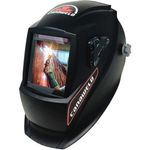
Are Auto-Darkening Helmets Always Safe? The UV/IR Protection Truth
Last Updated: March 6, 2026 by Louis Sham
Are Auto-Darkening Helmets Always Safe? The UV/IR Protection Truth
Jake had been welding for three years with his auto-darkening helmet. One afternoon, after a long day of MIG welding, his eyes felt gritty and tired. He could swear he’d gotten “flashed” a few times when the helmet seemed slow to darken.
“I thought these helmets were supposed to protect you all the time,” he told his supervisor. “But my eyes are killing me. Did my helmet fail?”
This is one of the most common concerns welders have about auto-darkening helmets—and one of the most misunderstood safety topics in the industry.
The Big Myth About Auto-Darkening Helmets
MYTH: “If my auto-darkening helmet doesn’t darken fast enough, or the battery dies, I’m getting UV damage to my eyes.”
This myth causes unnecessary worry for thousands of welders. Here’s what actually happens when your helmet is in “light” mode or fails to darken properly:
TRUTH: Your eyes are always protected from UV and infrared (IR) radiation, even when the helmet is in light state. The discomfort you feel isn’t from UV damage—it’s from too much visible light reaching your eyes.
Let’s break down exactly how auto-darkening helmets work, because understanding this will change how you think about helmet safety.
How Auto-Darkening Helmets Actually Protect You
An auto-darkening welding helmet has multiple layers working together. Most welders only think about the LCD layer that darkens, but that’s just one part of the system.

The permanent UV/IR filter layer ALWAYS protects you—the LCD layer only controls visible light
Here’s what each layer does:
1. The Permanent UV/IR Filter (The Real Hero)
This is a special layer built into every auto-darkening helmet. It never turns off. Even when your helmet is in “light” mode (shade 3 or 4), this layer blocks:
- 99.9% of UV radiation (the invisible rays that cause “arc eye” and long-term eye damage)
- 99.9% of infrared radiation (the invisible heat radiation that can damage your retinas)
This filter is permanently active. It doesn’t need batteries. It doesn’t need sensors. It’s always working, 24/7, protecting your eyes from the radiation that causes real damage.
2. The LCD Auto-Darkening Layer (The Comfort Controller)
This is the layer that changes darkness levels. It goes from shade 3-4 (light) to shade 8-13 (dark) when it detects an arc. But here’s the key: this layer controls visible light, not UV/IR protection.
The LCD layer’s job is to make welding comfortable by blocking the intense brightness you see. It’s not there to protect you from UV damage—that’s already handled by the permanent filter underneath.

Both states provide full UV/IR protection—dark state just adds visible light blocking for comfort
Why Your Eyes Still Hurt Sometimes
If the permanent UV/IR filter is always protecting you, why do your eyes sometimes feel tired, gritty, or irritated after welding? The answer is simple: visible light fatigue is not the same as UV damage.
Think of it this way: Looking at a bright welding arc in light mode (shade 3-4) is like staring at a really bright lightbulb for hours. It won’t burn your retinas with UV, but the brightness itself causes eye strain and fatigue.
Here are the real reasons your eyes hurt, even though you’re protected from UV damage:
1. Visible Light Overload
When the helmet doesn’t darken properly, you’re looking at an extremely bright visible light source. This causes:
- Eye fatigue (your pupils work overtime trying to contract)
- Temporary “spots” in your vision (like after a camera flash)
- Headaches from eye strain
- Gritty, tired feeling in your eyes
But this is NOT UV damage. It’s uncomfortable, and you should fix it, but your corneas and retinas are still protected from the dangerous invisible radiation.
2. Blue Light Exposure
The welding arc produces intense blue visible light. Even at shade 3-4, significant blue light gets through. Blue light can cause:
- Eye strain and fatigue
- Disrupted sleep patterns if you weld late in the day
- Temporary discomfort
Again, this isn’t permanent damage—but it explains why your eyes feel “off” even when the UV/IR filter is protecting you.
When Helmets Actually Fail (And What Really Happens)
Let’s look at common helmet “failure” scenarios and what actually occurs:

Most helmet failures cause discomfort, not UV damage—the permanent filter keeps protecting you
Dead Battery
What happens: Helmet stays in light state (shade 3-4) and won’t darken
Risk level: Moderate discomfort, NO UV damage
Why: The permanent UV/IR filter still works (it doesn’t need power). You’ll get eye fatigue from brightness, but no radiation damage.
Solution: Stop welding and replace the battery immediately—not because of UV danger, but because the brightness will exhaust your eyes.
Blocked Sensors
What happens: Helmet doesn’t detect the arc and stays light
Risk level: Moderate to high discomfort, NO UV damage
Why: Dirt, stickers, or your hand blocking the arc sensors prevents the helmet from “seeing” the arc to trigger darkening.
Solution: Keep sensors clean and unobstructed. Position your head so sensors have a clear view of the arc.
Wrong Shade Setting
What happens: Helmet darkens, but not enough for the welding process
Risk level: High discomfort, NO UV damage
Why: Running shade 8 on a 200-amp stick weld lets too much visible light through. You’re still UV/IR protected, but the brightness causes serious eye strain.
Solution: Match your shade setting to your welding process and amperage.
Poor Helmet Positioning
What happens: Light enters around the edges or bottom of the helmet
Risk level: HIGH—this CAN cause UV exposure
Why: When the helmet doesn’t fit properly against your face, direct UV radiation can enter through gaps and bypass the filter entirely.
Solution: This is the one failure mode that actually compromises UV protection. Proper fit is critical.

Poor positioning is the ONLY common failure that allows UV exposure—gaps let radiation bypass the filter
The Real Dangers vs. The Perceived Dangers
Let’s separate fact from fiction about auto-darkening helmet safety:
| Scenario | UV/IR Risk | Actual Problem |
|---|---|---|
| Battery dies | LOW | Eye fatigue from brightness |
| Slow reaction time | LOW | Flash blindness (temporary) |
| Wrong shade setting | LOW | Visible light overload, strain |
| Blocked sensors | LOW | No darkening = eye fatigue |
| Poor fit/gaps | HIGH | Direct UV exposure! |
How to Maximize Your Helmet Protection
Now that you understand how auto-darkening helmet UV protection actually works, here’s how to ensure maximum safety and comfort:
1. Maintain Your Helmet Properly
- Replace batteries regularly (every 6 months, or when you notice slow darkening)
- Keep sensors clean (wipe them down daily)
- Inspect the lens for cracks or damage (a cracked UV filter can fail)
- Replace outer cover plates when scratched (they can affect sensor performance)
2. Ensure Proper Fit
- Adjust headgear so the helmet sits level on your face
- Check for gaps around the bottom and sides
- Use the correct viewing distance (typically 3-4 inches from lens to eyes)
- Replace worn headgear that no longer holds the helmet securely
3. Choose the Right Shade
Use this guide for proper shade selection:
- Shade 8-9: TIG welding under 100 amps
- Shade 10-11: MIG/TIG 100-200 amps
- Shade 11-12: Stick welding, MIG over 200 amps
- Shade 12-13: High-amperage stick, heavy plate welding
4. Test Your Helmet Regularly
- Strike test: Strike an arc and verify instant darkening
- Sunlight test: Hold helmet toward the sun—it should darken slightly
- Battery check: Many helmets have low-battery indicators—pay attention to them
- Sensitivity adjustment: Test different sensitivity settings to find what works for your process
Understanding Discomfort vs. Damage
This is the key takeaway: discomfort doesn’t equal damage when it comes to UV protection.
When your helmet fails to darken properly:
What you FEEL:
- Gritty, tired eyes
- Temporary spots in your vision
- Headache from eye strain
- Light sensitivity after work
What’s ACTUALLY happening:
- Visible light overload (like staring at a bright light)
- Eye muscle fatigue from constant adjustment
- Temporary photoreceptor exhaustion
What’s NOT happening:
- UV radiation burning your corneas
- IR radiation damaging your retinas
- Permanent “arc eye” (photokeratitis)
That said, repeated visible light fatigue is still a problem. It reduces your productivity, causes mistakes, and makes welding miserable. Fix helmet issues promptly—not because you’re getting UV damage, but because you deserve to work comfortably.
When to Actually Worry
There ARE situations where auto-darkening helmet UV protection can be compromised:
Replace your helmet immediately if:
- The lens is cracked or damaged (the UV filter layer may be broken)
- You see light leaking through pinholes or cracks during welding
- The helmet is extremely old (10+ years—UV filter materials can degrade)
- You experience true arc eye symptoms (feels like sand in your eyes, appears 3-12 hours after welding, causes tearing and light sensitivity)
If you get real arc eye while using an auto-darkening helmet, something is seriously wrong—either the helmet is damaged, or UV is entering through gaps around the edges.
The Bottom Line on Auto-Darkening Helmet Safety
Auto-darkening helmets are incredibly safe when it comes to UV and IR protection. The permanent filter layer works continuously, regardless of battery status, sensor function, or LCD darkening.
Key Takeaways:
- UV/IR protection is always on—it doesn’t need batteries or sensors
- The LCD layer controls visible light comfort, not UV/IR safety
- Most helmet “failures” cause discomfort, not UV damage
- The ONE exception: poor fit creating gaps allows direct UV exposure
- Eye fatigue from brightness is uncomfortable but not permanent damage
- Maintain your helmet for comfort and productivity, not just safety
- True arc eye from a functioning helmet means something is wrong
So the next time your helmet battery dies or seems slow to darken, don’t panic about UV damage. Your eyes are protected. But do stop and fix the problem—because welding with a malfunctioning helmet is exhausting, unproductive, and unnecessary.
Understanding how auto-darkening helmet UV protection actually works takes the fear out of equipment failures and helps you focus on what really matters: proper maintenance, correct fit, and choosing the right shade for comfortable, productive welding.
Your helmet’s permanent UV/IR filter is working right now as you read this, ready to protect your eyes the instant you strike an arc. That’s the truth about auto-darkening helmet safety—and it’s better than the myths.
Frequently Asked Questions
What should I do if my auto-darkening helmet doesn't darken quickly enough?
If your helmet fails to darken promptly, first check to ensure the battery isn't dead, as this can cause the helmet to remain in a light state. Even if the battery is functioning, ensure that the sensors are clean and unobstructed. If the issue persists, consider adjusting the sensitivity settings or replacing the helmet if it's old or damaged.
Can I still get UV damage if my helmet is in light mode?
No, your eyes are protected from UV and infrared radiation even when the helmet is in light mode. The permanent UV/IR filter layer in the helmet is always active, so you won't experience UV damage; however, you may experience discomfort from excessive visible light.
How can I ensure my auto-darkening helmet fits properly?
To ensure a proper fit, adjust the headgear so that the helmet sits level on your face and check for any gaps around the edges. You should also maintain the correct viewing distance, typically 3-4 inches from your eyes to the lens, and replace any worn headgear that no longer holds the helmet securely.
What are the signs that my helmet needs to be replaced?
You should replace your helmet if the lens is cracked or damaged, if you notice light leaking through pinholes or cracks during use, or if the helmet is over 10 years old. Additionally, if you experience symptoms of true arc eye, such as a gritty sensation in your eyes after welding, this indicates that the helmet may be compromised.
What are common causes of eye strain when welding with an auto-darkening helmet?
Common causes of eye strain include visible light overload when the helmet doesn't darken properly, incorrect shade settings, or blocked sensors that prevent the helmet from detecting the arc. While these conditions can cause discomfort, they do not lead to UV damage, as the permanent filter always protects your eyes from harmful radiation.