
Welding Like a Pro: 15 Essential Tools You Need
Last Updated: September 6, 2024 by Louis Sham
Welding is a skilled trade that demands precision, expertise, and the right set of tools. Having the right tools for welding isn’t just about convenience; it’s about ensuring quality and safety in every task you undertake. Whether you’re a seasoned professional or a hobbyist, the tools you use can significantly impact your productivity and the quality of your work.
Why Having the Right Tools for Welding Matters
- Efficiency: Proper tools streamline tasks, reducing the time and effort required.
- Quality: High-quality tools ensure cleaner, stronger welds.
- Safety: Appropriate equipment minimizes the risk of accidents.
Understanding Welding as a Skilled Trade
Welding involves joining materials, usually metals or thermoplastics, using high heat to melt parts together and allowing them to cool, causing fusion. This profession spans various industries including construction, automotive, and aerospace. Mastery in welding requires not only hands-on skills but also an understanding of different materials and techniques.
The Importance of Safety in Welding
Working with intense heat and electrical currents makes welding inherently dangerous. Safety gear is essential to protect against:
- Burns: From sparks and molten metal.
- Eye Damage: From UV radiation.
- Inhalation Hazards: From fumes produced during welding.
Equipping yourself with must-have welding tools ensures you not only perform effectively but also remain safe throughout your operations.
Understanding Welding Essentials
Welding essentials are the basic tools and equipment that every welder needs to carry out their work effectively and safely. These essentials are important for achieving high-quality welds and ensuring a secure workplace.
Categories of Essential Tools and Equipment for Welders:
1. Safety Gear:
- Auto-Darkening Welding Helmet
- Welding Gloves
- Safety Glasses and Ear Protection
- Welding Jacket and Sleeves
- Foot Protection (Welding Boots/Steel-Toe Work Shoes)
2. Welding Tools:
- Welding Pliers and Vise Grips
- Chipping Hammer and Metal Brush
- Angle Grinder and Chop Saw
- Filler Material and Nozzle Dip
3. Organizational Tools:
- Welding Cart
- Markers (e.g., Sharpies)
- Soapstone
The importance of quality in welding tools cannot be overstated. High-quality tools not only enhance the precision and durability of welds but also significantly reduce the risk of workplace injuries. Investing in reliable welding protection equipment ensures that you can focus on your craft without compromising safety.
When you discover must-have welding accessories, it’s essential to prioritize those made from durable materials designed to withstand harsh conditions. For example, auto-darkening helmets with adjustable sensitivity settings offer better visibility and protection, while high-grade steel-toe work shoes provide superior foot safety against heavy objects.
Each piece of equipment plays a specific role in the welding process, contributing to both the efficiency and safety of operations.
Safety Gear for Welders
(Click on any image to view latest price).
1. Auto-Darkening Welding Helmet
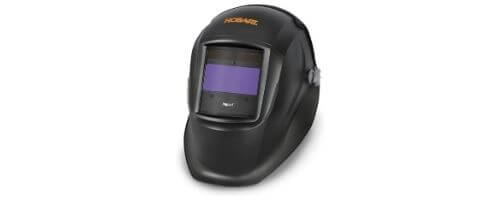
Auto-darkening welding helmets are essential safety gear for welders, providing protection from harmful UV and infrared rays while offering increased visibility of the work area. These helmets automatically adjust their shade based on the brightness of the welding arc, allowing you to switch between tasks without needing to flip the helmet up and down.

Functionality and Benefits:
- Eye Protection: Shields eyes from intense light and radiation.
- Hands-Free Operation: Eliminates the need to manually adjust the helmet.
- Improved Accuracy: Clearer view of the work area enhances precision.
- Reduced Fatigue: Less strain on your neck from constant helmet adjustments.
Features to Look for When Selecting a Helmet:
- Variable Shade Control: Allows adjustment of lens darkness for different welding processes.
- Lens Reaction Time: Faster reaction times offer better eye protection.
- Sensitivity and Delay Controls: Adjusts how quickly the lens darkens and how long it stays dark after welding stops.
- Comfort and Fit: Padded headgear and adjustable straps for extended wear.
- Durability: High-quality materials resist impact and heat.
Comparing different welding helmets can help identify the best options based on your specific needs. Popular brands like Miller, Lincoln Electric, and Hobart offer various models with unique features tailored to different types of welding projects. Investing in a reliable auto-darkening helmet ensures both safety and efficiency in your welding operations.
2. Welding Gloves
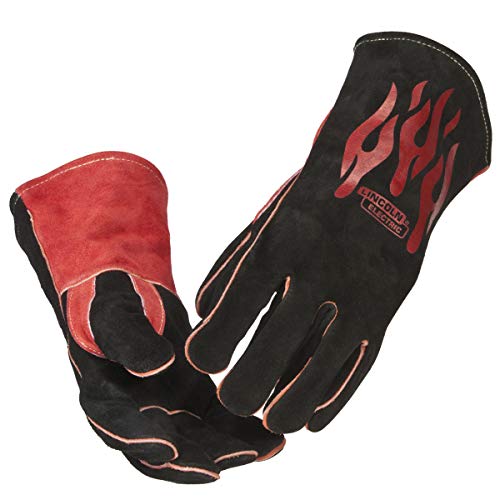
Welding gloves are a critical piece of safety gear for welders. They protect your hands from extreme heat, sparks, and molten metal that can occur during various welding processes.
Types of Welding Gloves
- MIG Welding Gloves: Designed for Metal Inert Gas (MIG) welding, these gloves are typically made from thicker materials like cowhide or deerskin to provide maximum protection against heat and sparks.
- TIG Welding Gloves: Tungsten Inert Gas (TIG) welding requires more precision. TIG gloves are often crafted from softer and thinner materials such as goatskin, offering greater dexterity without compromising on protection.
- Stick Welding Gloves: These gloves are generally the heaviest and most durable, constructed from materials like elk or cowhide to handle the intense heat and spatter associated with stick welding.
Importance of Proper Fit and Material
Selecting the right glove material is essential for both safety and comfort:
- Material: The type of leather used in welding gloves significantly impacts their durability, flexibility, and heat resistance.
- Fit: A proper fit is crucial. Overly tight gloves can restrict movement while loose ones may reduce control and increase the risk of accidents.
Choosing the right type of welding glove based on your specific needs ensures both efficiency and safety in your welding tasks.
3. Safety Glasses and Ear Protection
Safety gear for welders is crucial to mitigate risks associated with intense heat, radiation, and noise in welding environments. Safety glasses play a pivotal role in shielding your eyes from harmful UV and infrared radiation emitted during welding processes. They also provide protection against flying debris, sparks, and metal splatter.
Benefits of Safety Glasses
- Radiation Protection: Welding arcs produce intense light that can damage your eyes. Safety glasses are designed to filter out harmful rays, ensuring your vision remains intact.
- Heat Shielding: Prolonged exposure to intense heat can cause severe eye damage. Quality safety glasses help deflect heat away from your eyes.

Equally important is ear protection in noisy environments. Welding operations often involve loud machinery and metalwork that can lead to long-term hearing loss if not adequately protected.
Benefits of Ear Protection
- Noise Reduction: Earplugs or earmuffs are essential to dampen the high decibel levels typically found in welding workshops.
- Comfort and Fit: Proper fitting ear protection ensures maximum effectiveness and comfort during extended use periods.

Incorporating both safety glasses and ear protection into your regular welding routine significantly enhances overall safety, allowing you to focus on the task without compromising your health.
4. Welding Jacket and Sleeves
Welding jackets and sleeves are essential components of safety gear for welders. These protective clothing items are designed to shield you from the intense heat, sparks, and molten metal that are part of welding tasks.
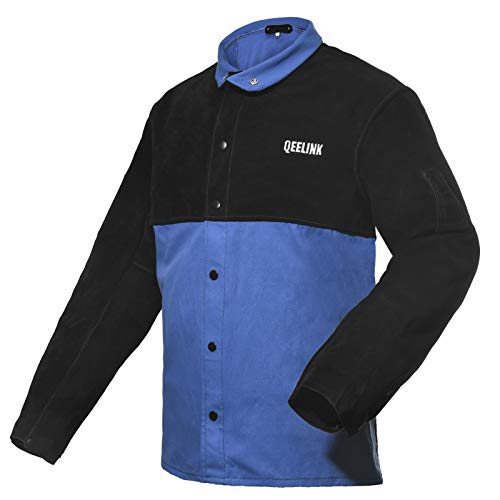
Materials Used in Protective Clothing:
- Leather: Durable and provides excellent protection against heat and spatter.
- Cotton: Often treated with flame-resistant chemicals to enhance its protective qualities.
- Kevlar: Known for its high heat resistance and durability.
Benefits of Wearing a Jacket and Sleeves During Welding Tasks:
- Heat Protection: Shields your upper body from extreme temperatures.
- Spatter Resistance: Prevents burns from molten metal and sparks.
- Durability: High-quality materials ensure long-lasting use, even in harsh conditions.
Investing in a good welding jacket and sleeves is crucial for maintaining safety and comfort during welding operations. These items not only protect you but also allow you to focus on executing precise welds without distraction.
5. Foot Protection: Welding Boots/Steel-Toe Work Shoes
Foot protection is an essential part of safety gear for welders. Heavy materials and molten metal can pose serious risks to your feet during welding operations. That’s why it’s important to wear the right footwear.

Why Choose Welding Boots?
Welding boots, especially those with steel-toe caps, provide a strong barrier against these dangers. Here’s why they are crucial for welders:
- Protection from Heat: Welding boots are designed to withstand high temperatures, keeping your feet safe from heat exposure and molten metal splatter.
- Defense Against Falling Objects: The steel-toe caps in these boots offer extra protection against heavy items that may fall, which is a common risk in welding areas.
- Durability for Long-lasting Use: Look for boots made from durable leather or other fire-resistant materials to ensure they can withstand the rigors of welding work.
- Comfort for Extended Wear: Comfort is key when you’re on your feet for long periods. Make sure the boots have enough padding and provide good arch support.
Investing in quality foot protection not only prevents immediate injuries but also promotes overall safety and efficiency in the workplace.
Essential Welding Tools and Accessories
1. Welding Pliers and Vise Grips
Welding pliers and vise grips are essential tools for any welder, offering a wide range of functions to ensure smooth operations. Welding pliers are versatile tools designed to handle multiple tasks such as cutting wire, removing spatter, and gripping hot metal pieces. These multifunctional tools streamline your workflow by reducing the need for switching between different tools.
Vise grips, on the other hand, offer a robust solution for holding metal pieces securely in place during welding operations. They act like an extra set of hands, allowing you to focus on precise welds without worrying about the stability of the workpiece.
Key uses include:
- Clamping: Securely holds metal pieces together to maintain alignment during welding.
- Holding Hot Metal: Safely grip hot metal sections without risking burns or injuries.
- Removing Nozzles and Spatter: Easily remove welding nozzles and clean spatter from equipment.
When selecting welding pliers or vise grips, consider the quality of materials used in construction. High-grade steel options offer durability and longevity, ensuring that these tools withstand the demanding conditions of welding environments.
Investing in high-quality welding pliers and vise grips not only enhances your efficiency but also contributes to improved safety by reducing the risk of accidents related to unstable workpieces. These essential tools are a must-have in every welder’s toolkit, offering reliability and versatility for various welding tasks.
2. Chipping Hammer and Metal Brush
Cleaning welds after operation is crucial for achieving a professional finish. The chipping hammer is a vital tool in this process, used to remove slag—a byproduct of welding that can compromise the integrity and appearance of your welds. By effectively chipping away at these unwanted materials, you ensure a cleaner, smoother weld.
Alongside the chipping hammer, the metal brush plays an indispensable role. It helps in clearing off residual slag and oxides from the metal surfaces. This not only improves the aesthetic quality but also prepares the surface for any further welding or finishing processes.
Key benefits include:
- Enhanced Weld Quality: Clean surfaces result in stronger welds.
- Improved Safety: Removing slag reduces the risk of contamination and defects.
- Efficiency: Quick and effective cleanup aids in maintaining workflow continuity.
Investing in high-quality chipping hammers and metal brushes ensures that your welding projects meet professional standards.
3. Angle Grinder and Chop Saw
Angle grinders are essential tools for any welder. They are versatile and can be used for cutting and smoothing metal surfaces, whether you need to prepare a surface before welding or clean up a weld afterward. Angle grinders come with different attachments such as grinding discs, cut-off wheels, and wire brushes, allowing you to efficiently perform various tasks.
Key functions of angle grinders:
- Cutting Metal: Precision cutting for sheet metal, pipes, and other materials.
- Smoothing Welds: Removing excess material and ensuring a clean finish.
- Surface Prep: Getting rid of rust, paint, or other contaminants before welding.
On the other hand, chop saws are specifically designed for cutting through thicker metals with ease. Equipped with a powerful motor and a robust blade, chop saws provide straight, clean cuts quickly.
Advantages of using chop saws:
- Speed: Fast cutting speeds save time on larger projects.
- Accuracy: Consistent and precise cuts for better project outcomes.
- Durability: Built to handle heavy-duty cutting tasks.
Having both tools in your toolkit ensures that you have the right equipment for different stages of your welding projects. These essential welding tools and accessories play a significant role in achieving professional results.
4. Filler Material and Nozzle Dip
Filler materials play a crucial role in welding, acting as a bridge to join two metal pieces securely. They are available in various types such as:
- Solid Wire: Commonly used in MIG welding for its ease of use and minimal spatter.
- Flux-Cored Wire: Ideal for outdoor welding environments where wind might blow away shielding gas.
- TIG Rods: Used in TIG welding processes requiring precision and control.
- Stick Electrodes: Suitable for heavy-duty tasks and projects involving thicker metals.
Using the right filler material ensures strong, durable welds that meet project specifications.
Nozzle dip is an often overlooked yet essential accessory in the welder’s toolkit. This anti-spatter compound helps maintain the cleanliness of your welding nozzle, preventing clogs and ensuring consistent performance. Applying nozzle dip can:
- Extend the lifespan of your equipment.
- Reduce downtime for cleaning.
- Enhance weld quality by maintaining a clear gas flow.
Combining high-quality filler materials with regular use of nozzle dip contributes significantly to successful welding projects, ensuring both efficiency and reliability.
Organizational Tools for Welders
Keeping your workspace organized is crucial for efficiency and safety. Consider these organizational tools for welders:
- Welding Cart: Provides a stable surface for tools and equipment, facilitating easy transport of welding gear.
- Markers (e.g., Sharpies): Essential for planning areas where heat will be applied during the welding process.
- Soapstone: Used to mark metals prior to welding, easily removable after the process is complete.
- Toolbox/Storage Units: Keeps all your essential tools in one place, reducing clutter and enhancing workflow.

These organizational tools ensure that your 15 must-have welding essentials are always within reach.