Solar-powered vs battery-powered welding helmets: pros and cons
Last Updated: October 23, 2025 by Louis Sham
Welding helmets come in different power configurations, and the choice between solar-powered and battery-powered designs can shape your reliability, maintenance needs, and operating costs. Here’s a practical look at the pros and cons of each power source, plus tips to help you decide what fits your work.
Solar-powered welding helmets: pros and cons
Pros
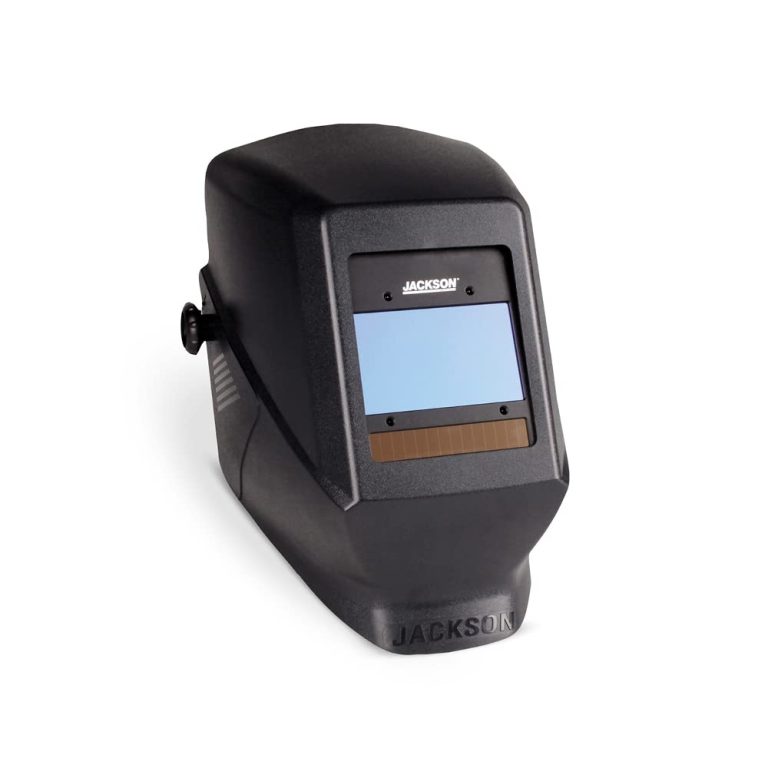
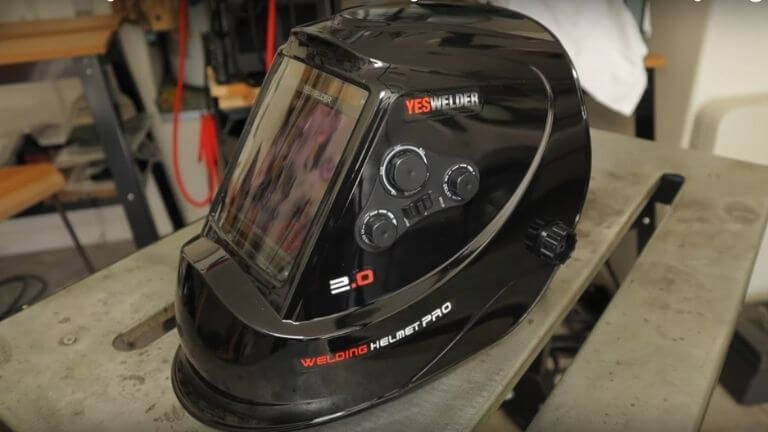
– Fewer battery replacements: Many solar-powered helmets use a dual-power setup (solar cell plus a small rechargeable or replaceable battery). The sun helps recharge the power source, which can reduce how often you need to swap batteries.
– Better for outdoor and long jobs: In bright outdoor conditions, the solar cell keeps the auto-darkening filter powered, which is handy for jobs that bounce between outdoor sunlight and shaded areas.
– Eco- and cost-conscious over time: Less frequent battery disposal and fewer mid-job battery changes can lower long-term costs and waste, especially for users who weld a lot.
– Simplified field reliability: Some models maintain adequate power even after switching between bright daylight and dim shop lighting, thanks to the solar-assisted design.
Cons
– Dependence on ambient light: If you’re working in a dark or enclosed space for extended periods, the solar cell alone may not provide enough power unless the helmet has a rechargeable battery and is kept charged.
– Potential sensitivity to light conditions: In very low-light indoor tasks, or in cold, overcast environments, the charging dynamics can slow or complicate power availability.
– More components, more points of failure: The solar cell adds another piece to inspect and protect from scratches, grime, or cracks that can reduce efficiency.
– Price and complexity: Dual-power solar-assisted helmets can cost more upfront than simple battery-only models, and they may have more maintenance considerations (battery health, solar cell condition).
Battery-powered helmets: pros and cons
Pros
– Consistent performance in any lighting: A dedicated battery provides steady power independent of ambient light, which helps keep performance stable indoors, in shaded shops, or during night-shift work.
– Simple design and easy maintenance: If the helmet uses standard replaceable batteries (like AA, AAA, or coin cells), you can select, stock, and swap them with familiar products.
– Often lower upfront cost: Purely battery-driven helmets can be cheaper initially than dual-power or solar-assisted designs.
– Reliability in variable environments: Temperature and light conditions have less impact on power availability, so you’re less likely to experience unexpected dimming due to power concerns.
Cons
– Battery management required: Periodic battery replacement or recharging is necessary, which adds ongoing costs and downtime.
– Battery waste and disposal: Batteries have a finite life and require proper disposal or recycling, creating environmental and logistical considerations.
– Potential added weight: Some battery types add weight to the helmet, which can affect comfort over long welds, though many models balance design well.
– Cold or high-use scenarios can tax the battery: Battery efficiency can drop in cold environments or with frequent power draws during heavy-use welding.
Which helmet is right for you? A quick decision guide
– You do most of your welding outdoors or on long jobs with shifting light conditions: A dual-power or solar-assisted helmet often makes sense, as it can stretch battery life and adapt to changing light.
– You work mainly indoors or in consistently shaded spaces: A battery-only helmet can provide steady, predictable performance without worrying about ambient light or solar charging.
– You value long-term cost of ownership: Consider the overall maintenance burden. Solar-assisted helmets can reduce battery waste and replacement costs over time, but check the price and the expected lifespan of the solar cell and battery.
– You prioritise simplicity and budget: A straightforward battery-powered helmet may offer the best balance of cost, ease of use, and reliability for many hobbyists and entry-level pros.
– You have environmental or disposal considerations: Solar-assisted designs can be more eco-friendly by reducing the frequency of battery disposal, but verify the battery type and recycling options for the specific model.
What to look for when choosing
– Power system type: Decide between dual-power/solar-assisted and pure battery-powered. Consider how often you weld in bright sun, indoors, and the tolerance for downtime.
– Battery type and life: For battery-powered helmets, note the battery chemistry, expected life, and replacement cost. For solar-assisted helmets, check the back-up battery’s replacement interval and the solar cell’s robustness.
– Auto-darkening performance: Fast switching (low switching delay) and stable lens performance under different arc conditions matter more than power source alone. Look for reputable sensors and a proven ANSI/CE rating for eye protection.
– Weight and comfort: Extra components add weight. Try to balance power features with a comfortable fit, good balance, and adjustability for long sessions.
– Durability and protection: Ensure the helmet meets relevant safety standards and has a solid lens, sturdy shell, and reliable headgear.
– Maintenance footprint: Consider how easy it is to clean the sensors, replace batteries, and inspect the solar cell or charging circuitry.
– Availability of parts: Check that replacement batteries, solar cells, and lenses are readily available in your region and that service is approachable.
Care and maintenance tips
– Inspect regularly: Check the sensors, dimming lens, and solar cell for scratches, cracks, or contamination. Clean gently with a soft, dry cloth.
– Mind the power system: If you have a dual-power helmet, ensure the solar cell remains unobstructed and the backup battery is within its replacement interval.
– Replace batteries as recommended: Don’t wait for the battery to fail. Follow the manufacturer’s schedule to avoid unexpected downtime.
– Store properly: Keep the helmet in a cool, dry place and avoid prolonged exposure to direct sunlight when not in use to minimize wear on solar cells and electronic components.
– Test before use: When starting a new job or moving between indoor/outdoor work, perform a quick test to ensure the auto-darkening function responds appropriately.
Bottom line
Both solar-powered (often with a rechargeable backup) and battery-powered welding helmets have distinct strengths. If you spend a lot of time outdoors or run long, light-shifting jobs, a solar-assisted or dual-power helmet can reduce downtime and battery changes. If your work is mostly indoors, in shaded spaces, or you want the simplest, most predictable power setup, a battery-powered helmet may be the better fit. The best choice depends on your typical work environment, tolerance for maintenance, and budget. Regardless of power type, prioritize a model with reliable auto-darkening performance, solid safety certification, and comfortable wear to protect your eyes and keep you productive.