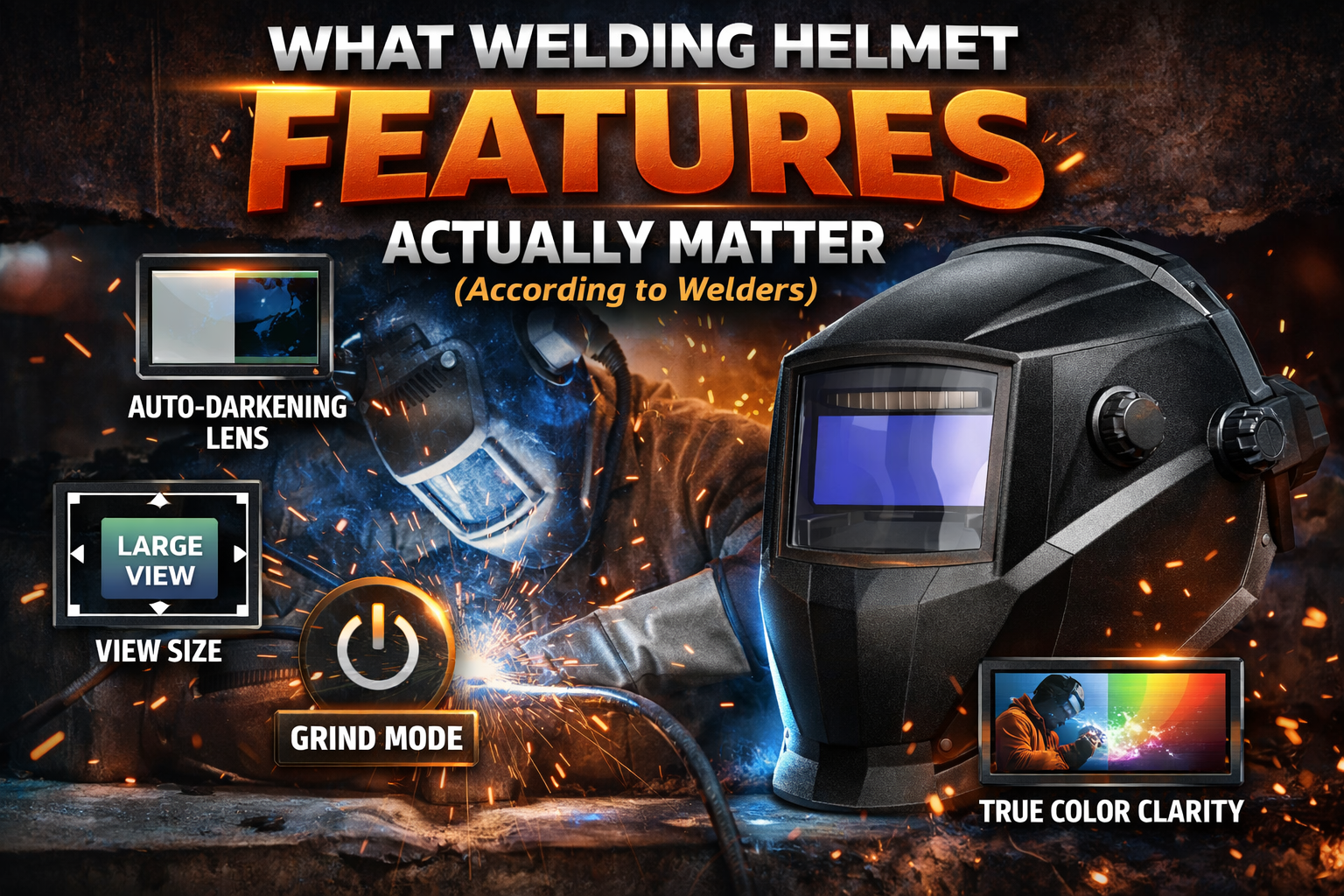
What Welding Helmet Features Actually Matter (According to Welders)
Last Updated: April 20, 2026 by Louis Sham
You might think any helmet will do, but welders swear by a handful of specs that actually make a difference on the shop floor. Fast auto‑darkening, adjustable sensitivity, and a wide shade range keep your eyes safe while you see the bead clearly. Add a lightweight shell, a secure headband, and solid battery life, and you’ll notice less fatigue and fewer interruptions. The real question is which of these features will survive the toughest jobs and why they matter.
Why Auto‑Darkening Speed Matters in a Welding Helmet
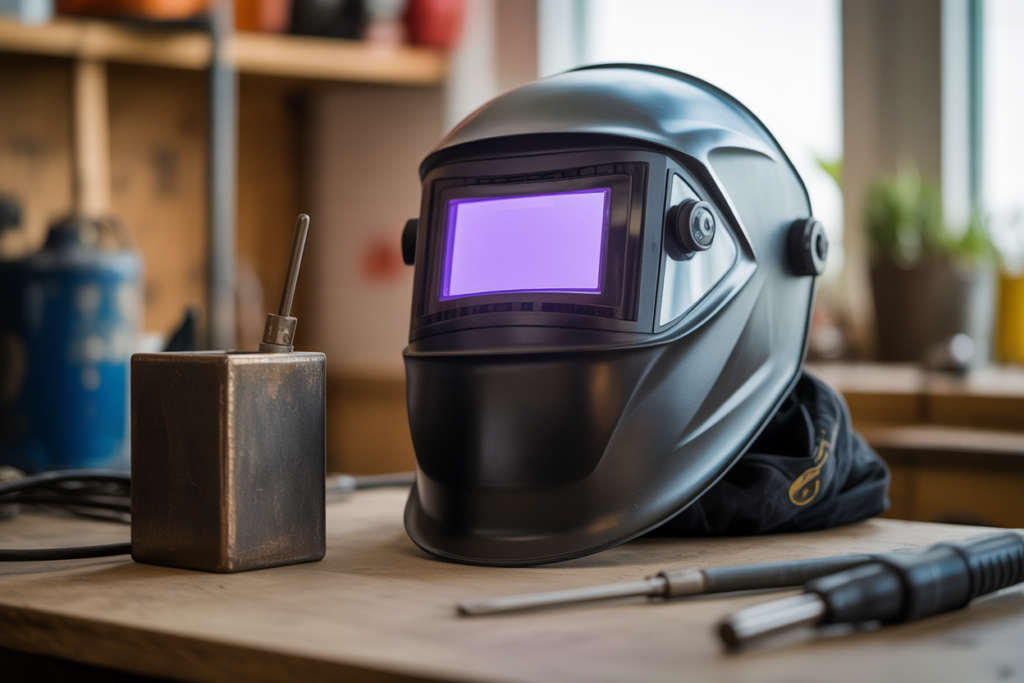
A split‑second delay in auto‑darkening can mean the difference between a clean weld and a painful eye injury, so you need a helmet that reacts instantly.
When you strike the arc, the bright plasma flashes within milliseconds. If your helmet lags, your eyes absorb harmful UV and IR, causing fatigue, burns, or long‑term damage.
Fast sensors and a rapid response time—ideally under 1/10,000 second—protect you and keep your vision clear. This speed also preserves the weld’s appearance; you see the bead without a sudden blackout, allowing precise adjustments on the fly.
A sluggish helmet forces you to pause, guesswork, and increase the chance of defects. Choose a model with proven millisecond‑level darkening to stay safe and productive.
Why Lens Shade Range Is Critical for Welding Helmets
When you switch between thin‑sheet and thick‑plate welds, the amount of light and heat emitted varies dramatically.
So a helmet with a wide lens‑shade range lets you match protection to each job. A broad range means you can dial the shade down for low‑amperage TIG work, reducing eye strain, and crank it up for high‑amperage MIG or stick welding, preventing flashburn.
It also future‑proofs your gear as you tackle new processes or materials.
- Safety – Proper shade blocks hazardous UV/IR.
- Comfort – Adjusting shade reduces fatigue.
- Versatility – One helmet handles multiple welding types.
Choosing a helmet with a comprehensive shade spectrum ensures you stay protected, comfortable, and ready for any welding challenge.
Why Optical Clarity Is a Must‑Have Feature in Welding Helmets
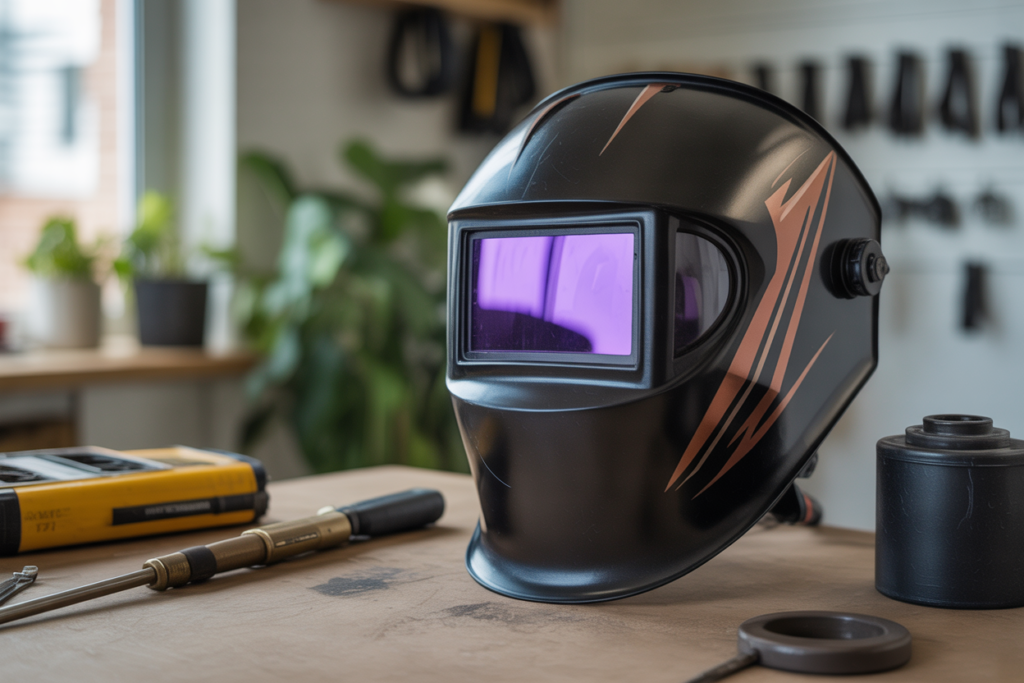
If you’re welding, crystal‑clear vision isn’t a luxury—it’s essential for safety and precision. Optical clarity lets you see the weld pool, heat‑affected zone, and joint geometry without distortion, so you can spot cracks, porosity, or misalignment instantly.
A high‑definition lens transmits true colors, helping you judge temperature and material changes accurately. When the view is hazy, you’ll over‑compensate, increasing the risk of burns, eye strain, and defective seams.
Clear optics also reduce the need for frequent adjustments, keeping you focused and productive. Choose a helmet with a low distortion rating and a high‑quality, anti‑fog coating; the result is smoother, safer welds and less fatigue during long jobs.
Why Lightweight Shells Improve Welding Helmet Comfort
Because you spend hours under a welding helmet, every ounce matters; a lightweight shell reduces neck fatigue, lets you move freely, and keeps you focused on the weld instead of the weight on your head.
A lighter shell also improves heat dissipation, preventing the helmet from becoming a hot, uncomfortable lump during long runs. You’ll notice smoother transitions between positions because the reduced mass lets your muscles respond quicker, lowering the risk of strain.
In practice, the benefits stack up:
- Reduced neck and shoulder fatigue – less effort to support the helmet.
- Enhanced mobility – quicker head turns and better posture.
- Improved focus – mental energy stays on welding, not on weight.
Why a Secure Headband Is Essential for Welding Helmets
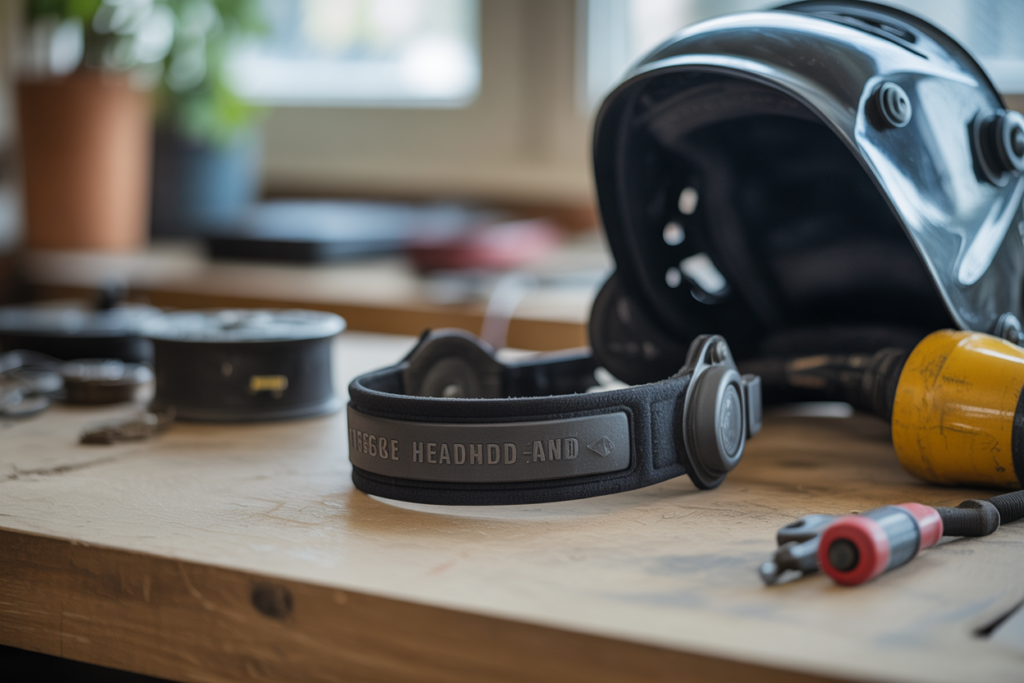
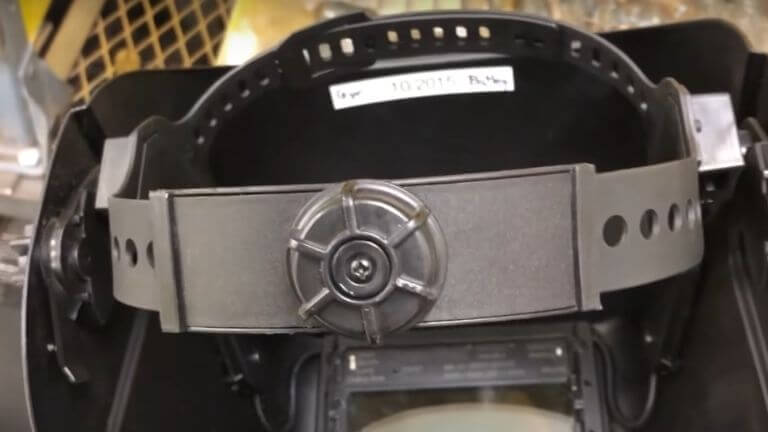
A lightweight shell lets you move freely, but without a secure headband that freedom turns into instability. A snug headband locks the helmet in place, preventing slippage when you swing a torch or work overhead. It distributes weight evenly, reducing neck strain during long shifts. Adjustable straps let you customize tension, so the helmet stays firm without digging into skin. A reliable headband also keeps the lens aligned, preserving the protective shade and preventing glare. When you trust the band, you focus on the weld, not on read helmet shifting.
| Feature | Benefit | Example |
|---|---|---|
| Adjustable straps | Custom fit | Tighten for heavy grinding |
| Padding | Comfort | Soft foam reduces pressure |
| Quick‑release buckles | Fast removal | Easy for breaks |
| Elastic tension | Stable hold | Maintains position on bumps |
| Reinforced stitching | Durability | Withstands repeated adjustments |
Why Impact‑Resistant Materials Protect You in a Welding Helmet
Impact‑resistant materials are the unsung heroes of a welding helmet, shielding your head from stray sparks, falling debris, and accidental drops. They absorb and disperse kinetic energy, preventing cracks or penetration that could expose you to burns.
When you drop the helmet or it strikes a hard surface, the material’s elasticity reduces the force transmitted to your skull, keeping you safe without sacrificing comfort.
- Polycarbonate shells – lightweight, high‑impact tolerance, and clear for vision.
- Thermoplastic elastomers – flex under stress, then snap back, preserving shape.
- Fiber‑reinforced composites – combine strength with heat resistance for extreme environments.
Choosing a helmet with these layers means you trust the gear to protect you when the unexpected happens.
Why Adjustable Sensitivity Improves Welding Helmet Performance
Your helmet’s impact‑resistant shell keeps you safe, but the real game‑changer is how quickly the auto‑darkening filter reacts to the arc.
Adjustable sensitivity lets you fine‑tune the trigger level so the lens darkens at the exact moment the arc sparks, preventing over‑darkening on low‑amperage jobs and under‑darkening on high‑amperage passes.
You can match the setting to the welding process—MIG, TIG, or stick—ensuring consistent visibility and reducing eye strain.
When you switch between thin‑sheet work and heavy‑duty fabrications, a quick dial‑in prevents unnecessary delays and keeps your workflow smooth.
In short, sensitivity control tailors protection to every weld, boosting safety, accuracy, and productivity.
Why Long Battery Life Is Crucial for Welding Helmets
Even on a busy job site, you can’t afford to stop welding because the helmet’s power dies; a long‑lasting battery keeps the auto‑darkening filter, integrated lighting, and any smart features running continuously, so you stay focused on the weld instead of hunting for a charger.
A reliable power source also reduces downtime, protects your workflow, and prevents costly interruptions. When the battery holds out, you can tackle long cuts, multi‑hour projects, and remote jobs without worrying about recharging.
- Consistent Darkening – No flicker, no missed sparks.
- Continuous Lighting – Hands‑free illumination throughout the shift.
- Smart Feature Availability – Data logging, Bluetooth, and alerts stay active.
Choose a helmet with robust battery life and keep your productivity humming.
Why Integrated UV/IR Filters Boost Welding Helmet Safety
Ever wonder how a welding helmet can protect your eyes from invisible hazards? Integrated UV/IR filters block ultraviolet and infrared radiation that your eyes can’t see but can still damage.
By absorbing these wavelengths, the filters prevent corneal burns, cataracts, and retinal injury, even during long welds. You’ll notice less eye fatigue because the filters also reduce glare and heat, keeping your vision clear.
The integration means you don’t have to swap lenses or add external protectors—one piece does the job. This seamless protection lets you focus on the weld, not on adjusting gear, and it complies with safety standards that require specific UV/IR attenuation levels.
Ultimately, the filters keep your sight safe while you work.
Why Warranty and Service Support Matter for Welding Helmets
A solid warranty and responsive service support give you peace of mind, knowing that your welding helmet will stay reliable even after heavy use.
When you invest in a high‑tech helmet, you expect it to survive sparks, drops, and constant heat. A strong warranty protects that investment, while quick service restores functionality without downtime.
It also signals the manufacturer’s confidence in durability and design, which matters on tight job sites.
- Coverage length – Longer terms reduce long‑term replacement costs.
- Repair turnaround – Fast fixes keep you on the job, not waiting for parts.
- Technical assistance – Expert help prevents misuse and extends the helmet’s lifespan.
Conclusion

When you pick a welding helmet, focus on the speed of auto‑darkening, adjustable sensitivity, and a broad shade range to stay protected and see clearly. High optical clarity and a lightweight shell keep you comfortable, while a secure headband prevents slippage. Long battery life, built‑in UV/IR filters, and solid warranty support ensure the helmet works reliably day after day, delivering safety and performance on every job.
Frequently Asked Questions
What features should I look for in a welding helmet to ensure safety?
Look for helmets with fast auto-darkening response times, adjustable sensitivity, and a wide shade range. These features protect your eyes from harmful UV/IR radiation and allow you to see your work clearly without interruption.
How does the weight of a welding helmet impact my comfort during long jobs?
A lightweight welding helmet reduces neck and shoulder fatigue, allowing for greater mobility and focus on your work. This is especially important during long shifts, as a lighter helmet helps prevent muscle strain and keeps you comfortable.
Why is optical clarity important in a welding helmet?
Optical clarity is essential for seeing the weld pool and joint geometry without distortion. A high-definition lens with low distortion helps you make accurate adjustments, reducing the risk of burns and ensuring better weld quality.
What is the significance of having a secure headband on a welding helmet?
A secure headband ensures that the helmet stays in place during movement, preventing slippage and maintaining proper lens alignment. This stability reduces neck strain and allows you to focus on your work without adjusting the helmet constantly.
How can I ensure my welding helmet has long-lasting battery life?
Select a helmet known for robust battery performance to avoid interruptions during your workflow. A long-lasting battery supports features like auto-darkening and integrated lighting, allowing you to work on extended projects without the worry of recharging.