

Welding Hazards: Identifying Risks and Safety Measures
Last Updated: May 2, 2025 by Louis Sham
Welding is a critical process used in many industries to join metals and create strong, durable structures. However, it involves various hazards that can pose serious risks to workers’ health and safety. These risks include exposure to intense heat, harmful fumes, electric shock, ultraviolet radiation, and fire hazards. Identifying these risks accurately and implementing effective safety measures is essential to prevent accidents and ensure a safe working environment for welders. This post aims to outline the common welding hazards and discuss practical steps to minimize their impact.
Types of Welding Hazards
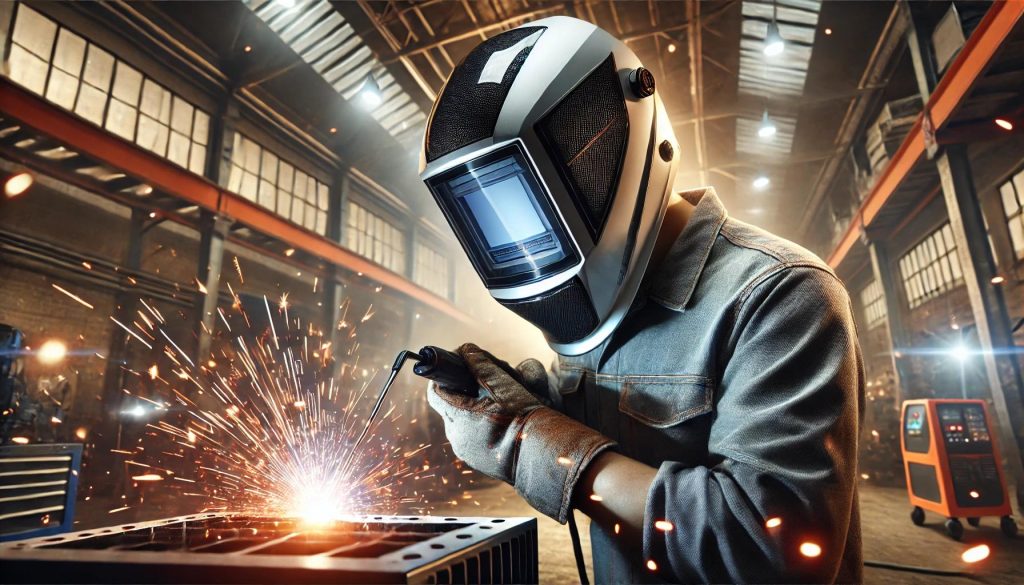
Physical hazards are a significant concern in the welding environment. These hazards can lead to immediate and severe injuries. Welders are constantly at risk of burns, eye damage, and cuts due to the intense heat and sparks generated during the welding process.
The physical nature of the work also exposes them to the risk of crushed toes and fingers, particularly when handling heavy equipment or working in cramped spaces. Additionally, the use of heavy protective gear, such as welding helmets and face shields, can lead to musculoskeletal injuries (MSIs) like strains and sprains, especially when welders are in static or awkward positions for extended periods.
Exposure to Fumes and Gases
Welders are exposed to fumes either directly from the welding process and sparks or from the general fume background in the workshop. This exposure is believed to result from the higher energy input of high-emission processes, which stabilizes the thermal column and thus removes fume particles from the welder’s breathing area.
Exposure to fumes and gases is one of the most critical health hazards in welding. The welding process releases a variety of harmful substances, including ozone, nitrogen oxides, chromium and nickel oxides, and carbon monoxide. These fumes can cause respiratory illnesses, metal fume fever, and even long-term health issues such as lung and skin cancer.
For instance, when zinc fumes react with galvanized metal, it can lead to metal fume fever, characterized by symptoms like fever, chills, and nausea. Proper ventilation and local exhaust systems are essential to mitigate these risks and keep the breathing zone clear of these hazardous substances.
Additional Health Concerns From Welding Fumes
• Breathing in welding fumes raises the chance of respiratory issues such as bronchitis, airway irritation, and changes in lung function (Antonini, 2002).
• Exposure to welding fumes has been associated with a higher risk of lung cancer, showing a 30% to 40% increase in lung cancer mortality (Martin, 1997).
• Prolonged exposure to welding fumes can cause various nonoccupational health problems, including mucosal lesions in the upper gastrointestinal tract, liver damage, dyslipidemia, high blood pressure, kidney damage, coronary heart disease, and diabetes mellitus (Yatsyna, 2023).
Electric Shock and Fire Hazards
Electric shock and fire hazards are among the most dangerous risks associated with welding. During arc welding, live electrical circuits are used, posing a significant risk of electric shock.
This can occur if the welder touches part of the welding or electrode circuit while in contact with the metal being welded, especially in damp conditions, while wearing wet clothing, or when working on metal flooring or structures. Electric shock can result in serious injuries or fatalities, either directly or indirectly through falls from height. Additionally, welding operations can ignite flammable materials, leading to fires and explosions.
Key Findings:
Exposure to metal-rich aerosols during welding can harm lung function through oxidative stress. This study reviewed cross-sectional research on welders' respiratory health, finding that welding fumes are linked to reduced lung capacity and increased risk of respiratory issues like asthma and bronchitis. The analysis showed significant negative impacts on lung function and respiratory symptoms, especially in medium to low-income countries. The findings highlight the importance of occupational safety measures to protect welders' respiratory health, particularly in regions with fewer resources..
- Welders had worse lung function:
- FEV1 was significantly lower.
- FEV1/FVC% was also lower.
- Welders had a higher risk of breathing problems:
- They were about 65% more likely to have asthma.
- More likely to have both acute and chronic bronchitis.
- In low- or middle-income countries, welders were 3.5 times more likely to experience shortness of breath (dyspnoea).
- Non-smoking welders were over 9 times more likely to experience wheezing—a major finding
Source: Marongiu, A., Minelli, C., Canova, C., Schofield, S., Szram, J., & Cullinan, P. (2014). P129 Systematic Review And Meta-analysis Of Cross-sectional Studies On Arc Welding Fume Effects And Obstructive Lung Disease. https://doi.org/10.1136/thoraxjnl-2014-206260.270
Key Safety Measures for Welding
Use of Personal Protective Equipment (PPE)
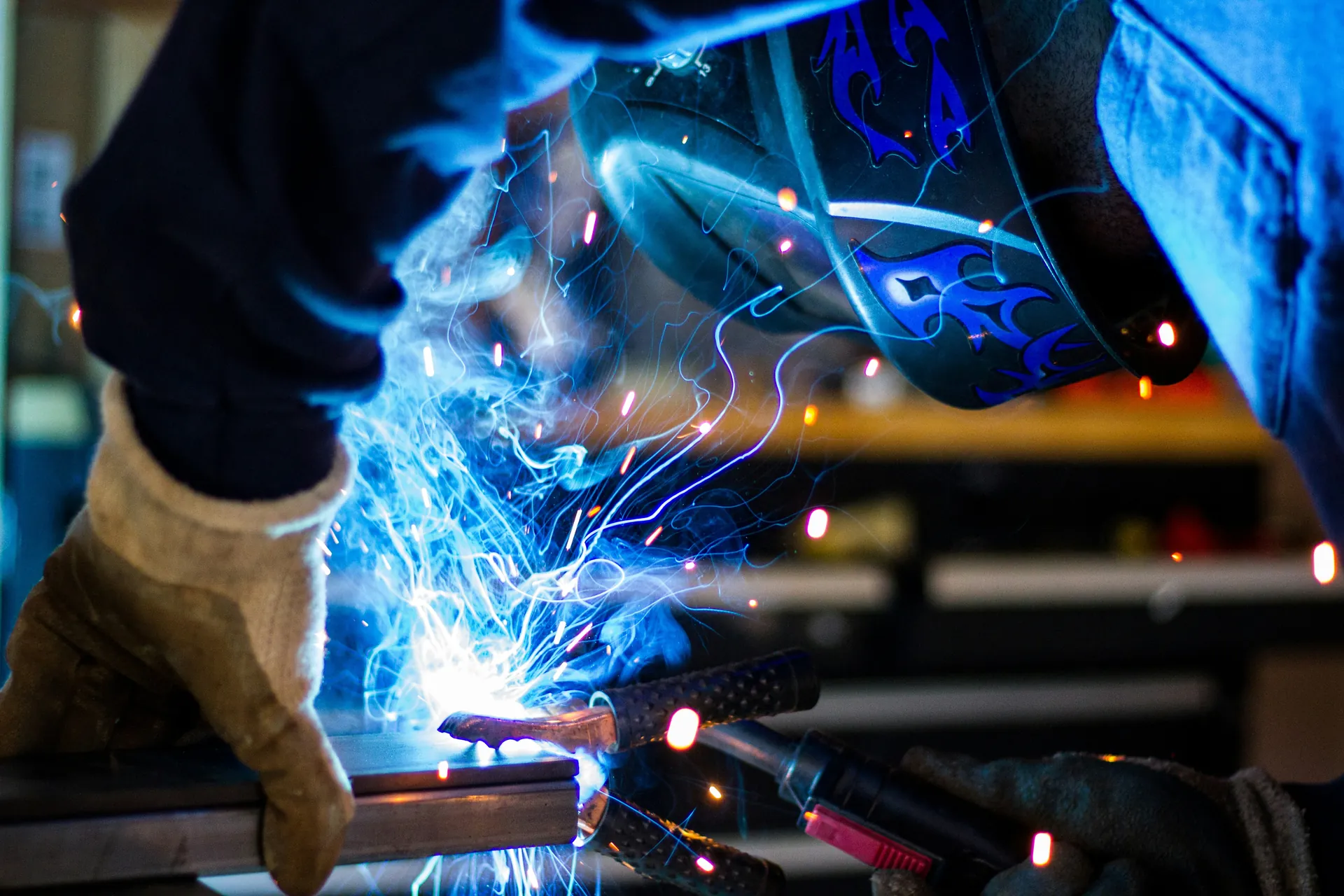
The use of Personal Protective Equipment (PPE) is paramount in ensuring the safety of welders. A comprehensive set of PPE includes a welding helmet, which protects the eyes, face, and neck from UV radiation, sparks, and molten metal. Modern welding helmets often feature automatic brightness adjustment to provide optimal vision during welding operations.
Welding gloves are another essential item, made from flame-resistant materials such as leather to protect hands and wrists from sparks and high temperatures. These gloves must meet specific ANSI standards for cut resistance and arc flash protection to ensure they are suitable for the tasks being performed. Flame-resistant clothing, including jackets, pants, and aprons, is also important.
This clothing is designed to shield the body from sparks and molten metal, and it should be made from durable, flame-resistant fabrics. Eye protection beyond the welding helmet is also necessary. Safety glasses or goggles with non-ionizing radiation protection, classified under standards like CSA Z94.3-20, should be worn when not using a welding helmet.
• A study by Karki et al. (Joshi, 2020) found that PPE use among welders in Banepa Municipality was low: 65% wore welding clothes, 73% wore safety shoes, and 68% wore welding masks.
• A study by Wahyadiningrum et al. (Kadhafi, 2023) reported good PPE availability in a welding workshop, with 68% using helmets, 73% goggles, 68% masks, 78% gloves, and 73% safety shoes.
• A study by Rusli et al. (Youssef, 2018) found most welders faced hazards, with eye goggles being the most used PPE.
Face shields can also be used for additional protection, especially during operations like plasma arc cutting or air carbon arc cutting. Hearing protection, such as earplugs, is required to prevent noise-induced hearing loss from the high noise levels generated during welding. Respiratory protection, including respirators or dust masks, is vital to protect against the inhalation of hazardous fumes and gases.
Ventilation and Fume Extraction
Adequate ventilation and fume extraction are critical in reducing the risks associated with welding fumes and gases. Local exhaust ventilation systems should be used to remove fumes and gases from the breathing zone of the welder.
These systems can include fume extractors and ventilation hoods that capture and remove airborne contaminants at the source, preventing them from spreading throughout the work area. In confined spaces, ensuring proper ventilation is even more important to prevent the accumulation of hazardous fumes.
Air purifying respirators can also be used when ventilation systems are not sufficient, providing an additional layer of protection against respiratory hazards.
Electrical and Fire Safety Practices
Electrical and fire safety practices are essential to prevent some of the most severe hazards in welding. To avoid electric shock, welders should ensure that all electrical equipment is properly maintained and insulated. Working in damp conditions or wearing wet clothing should be avoided, as these conditions increase the risk of electric shock.
Additionally, the welding area should be free from flammable materials, and fire-resistant materials should be kept nearby in case of emergencies. Fire watchers should be present when welding near flammable substances to quickly respond to any fires that may ignite.
Fire extinguishers should also be readily available and easily accessible. Following proper shutdown procedures for welding equipment and ensuring all electrical circuits are de-energized when not in use can further reduce the risk of electrical and fire hazards.
Advancements In Sensor Technologies For Real-Time Hazard Detection In Welding
• Advancements in sensor technologies for real-time hazard detection in welding have led to the development of multi-sensor IoT-based systems (Upadhyaya, 2023) that can detect multiple hazards, such as gas leaks, fires, and floods, in smart homes and industrial settings.
• Real-time monitoring of laser welding using various sensors and multi-sensor fusion technology has been explored, with the goal of identifying weld defects and improving process control (You, 2013).
• The use of hard X-ray radiography and deep artificial neural networks has been proposed for real-time detection of process instabilities in laser welding, achieving accuracy rates of 71-99% and temporal resolution of 2 ms (Shevchik, 2020).
• The study of multi-robot systems for automated welding and in-process Non-Destructive Evaluation (NDE) has highlighted the potential for early defect detection and in-process weld repair, with implications for improving product quality and reducing defects (Vasilev, 2021).
Robotic Welding to Reduce Human Exposure
The development of AI-supported systems in robotic welding can dynamically adjust welding parameters based on real-time environmental data to minimize risks and maintain weld quality (Antonini, 2006).
• The use of local exhaust ventilation systems can be an effective way to reduce welders' exposure to welding fumes, as shown in a study conducted in a repair shop (Zare, 2017).
• Robotic-vision-based defect inspection systems can be used to reduce manual labor required for visual inspection, minimizing the risks associated with human error and accidents, and improving steel production efficiency and economic profits (Li, 2023).
Training and Education for Welding Safety
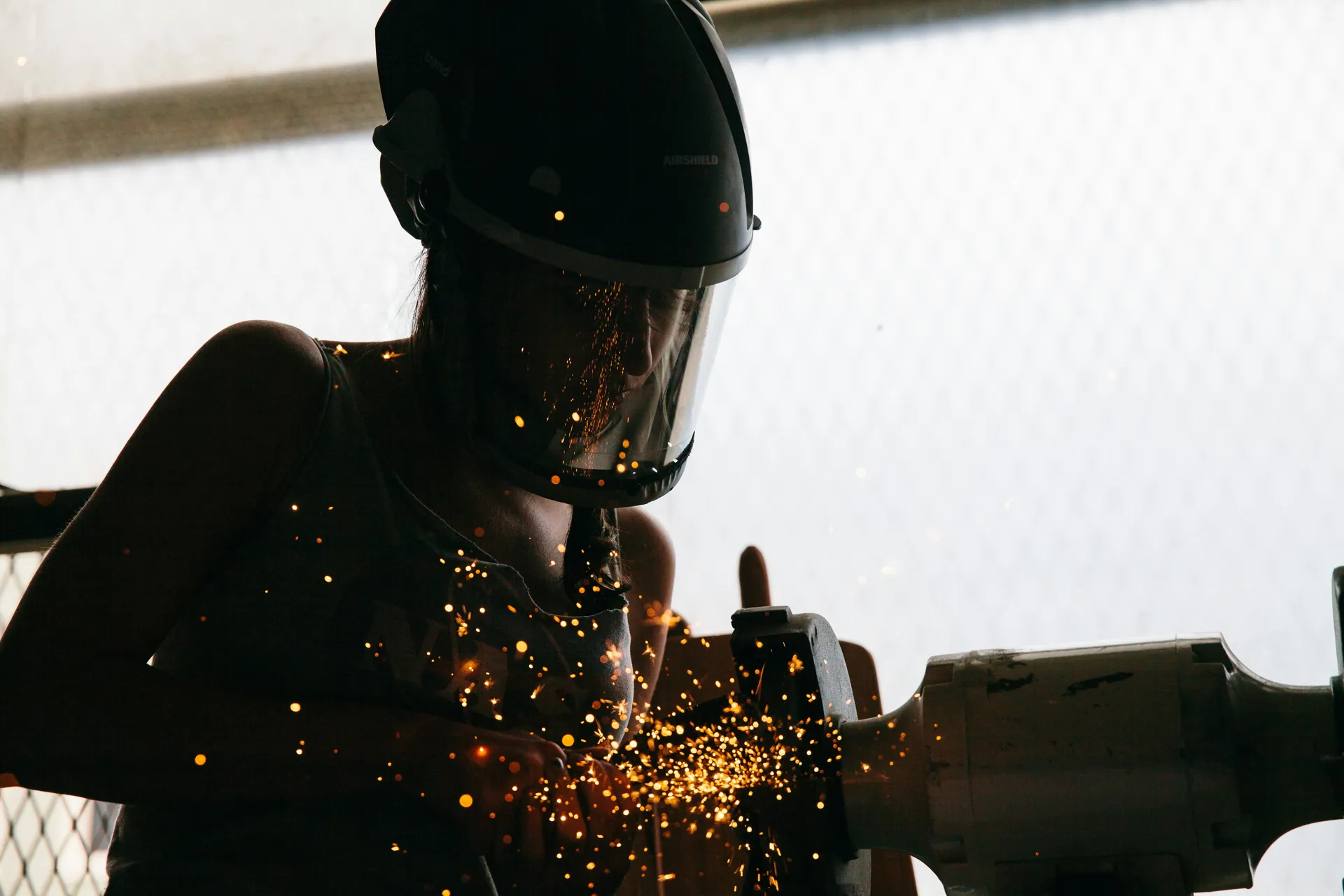
Training and education are essential components in ensuring welding safety. These programs are designed to equip welders, supervisors, and industry professionals with the knowledge and skills necessary to identify and mitigate the various hazards associated with welding.
Several organizations, including the American Welding Society (AWS) and the Occupational Safety and Health Administration (OSHA), offer comprehensive training courses that cover a wide range of safety topics. For example, the AWS Safety in Welding online course is tailored for anyone involved in the welding industry, including welders, welding engineers, inspectors, and supervisors.
This course requires prior familiarity with basic welding processes and terminology, which can be acquired through other AWS courses or by studying relevant standards such as ANSI Z49.1 Safety in Welding, Cutting, and Allied Processes.
The OSHA Welding and Cutting Safety Training is another invaluable resource. This course is designed to help professionals comply with OSHA's general requirements for the industry, covering critical topics such as fire prevention and protection, health protection and ventilation, and the proper handling of cylinders and containers.
Upon completion, participants receive an official Certificate of Completion, which demonstrates their understanding of safety protocols and best practices in welding and cutting.
The National OSHA Foundation also offers a Welding Safety Certification & Training course that aligns with OSHA and NFPA standards. This course is structured to educate participants on safety protocols, equipment use, and hazard prevention through engaging modules, quizzes, and case studies. It is designed to be flexible, allowing participants to learn at their own pace and earn a certification upon completion.
This training is particularly beneficial for welders, supervisors, and safety officers, ensuring compliance and promoting a safer workplace.
These training programs emphasize the importance of identifying common safety hazards, selecting proper personal protective equipment (PPE), and applying best practices to avoid risks. By investing in such education, employers can significantly reduce the risk of injuries and damages, creating a safer and more efficient work environment for everyone involved in welding operations.
The Use Of Machine Learning Algorithms In Predicting Welding Hazard Risks
• Machine learning can predict welding hazards by analyzing process details, environment, and worker actions. (Kim, 2023)
• A study showed machine learning and deep learning help detect faults in machine maintenance, improving reliability and maintenance. (Shahin, 2023)
• Another study found Gaussian process regression best predicted weld quality, showing machine learning can improve welding quality and safety. (Gurav, 2023)
Conclusion: Cultivating a Safety-First Culture in Welding
In conclusion, ensuring safety in welding is a multifaceted endeavor that demands meticulous attention to detail and a firm commitment to best practices. It is essential to perform welding tasks in designated safe locations, keeping them away from flammable materials, while taking measures to protect against fire hazards and electrical risks.
The proper use of personal protective equipment (PPE), regular maintenance of tools and equipment, and ensuring adequate ventilation are non-negotiable for a safe working environment. Additionally, training and education are indispensable in helping workers identify and effectively mitigate potential risks.
By following these guidelines and cultivating a safety-first culture, welders can greatly reduce the hazards associated with their profession, safeguarding their health and well-being. Take action today to make safety a top priority in every welding operation.
FAQ
What are the primary health risks associated with inhaling welding fumes?
The primary health risks associated with inhaling welding fumes include acute symptoms like eye, nose, and throat irritation, dizziness, and nausea. Prolonged exposure can lead to serious health issues such as lung damage, various types of cancer (lung, larynx, urinary tract), metal fume fever, stomach ulcers, kidney damage, nervous system damage, and Parkinson’s-like symptoms caused by manganese fume. Additionally, there is a heightened risk of respiratory issues, occupational asthma, COPD, and lung cancer from exposure to carcinogenic substances like hexavalent chromium and nickel.
How should oxygen and acetylene cylinders be stored to ensure safety?
Oxygen and acetylene cylinders must be stored upright with valves closed and caps securely in place. They should be restrained to prevent tipping, protected from impact, and kept in well-ventilated areas away from ignition sources. Ensure they are stored separately and at ground level in a secure, fenced area with clear warning signage. It is also essential to keep them near first aid equipment for emergency preparedness.
What precautions should be taken to avoid electrical shock during welding operations?
To avoid electrical shock during welding, ensure the welder is properly installed and grounded. Regularly inspect cables for damage, keep them insulated, and replace any frayed wires. Always insulate yourself from the workpiece and ground, and avoid direct contact with live parts of the equipment.
Keep your hands and body dry, and never touch energized electrode holders or the workpiece simultaneously. Ground the workpiece to a good electrical earth ground when required, and avoid standing in water or on wet surfaces to minimize the risk of shock.
How can proper ventilation help in managing the fume plume generated during welding?
Proper ventilation, particularly through local exhaust ventilation (LEV) and source capture systems, is essential for managing the fume plume. These systems work by removing toxic gases, fumes, and dusts directly at the source, preventing them from reaching the welder's breathing zone. This approach helps to keep contaminants from mixing with room air, thereby significantly reducing exposure to harmful fumes and improving overall air quality in the workspace.